Jonas Patterson · 9 October 2026
School Research Collaborations Expose How Seasons Shape Scarce Insect Species and Woodland Vitality Indicators
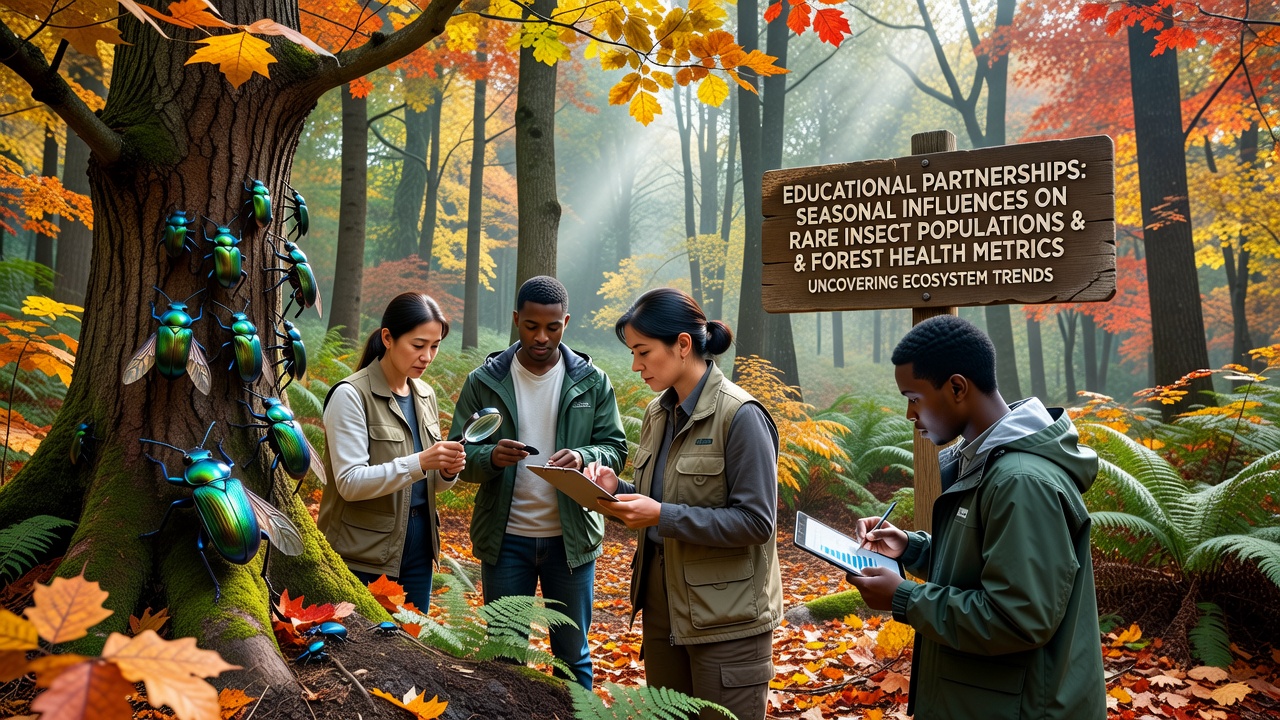
Researchers and educators have joined forces across multiple regions to track the ways seasonal shifts alter populations of uncommon insects while also reshaping key forest health measurements such as canopy density, soil nutrient levels, and moisture retention. These partnerships emerged from university outreach programs that pair high school classes with field biologists, allowing students to gather consistent data over multiple years. In October 2026, teams in several sites reported notable drops in certain moth and beetle counts as temperatures cooled and leaf fall accelerated, patterns that align with broader records from earlier seasons.
Building the Partnerships and Data Collection Methods
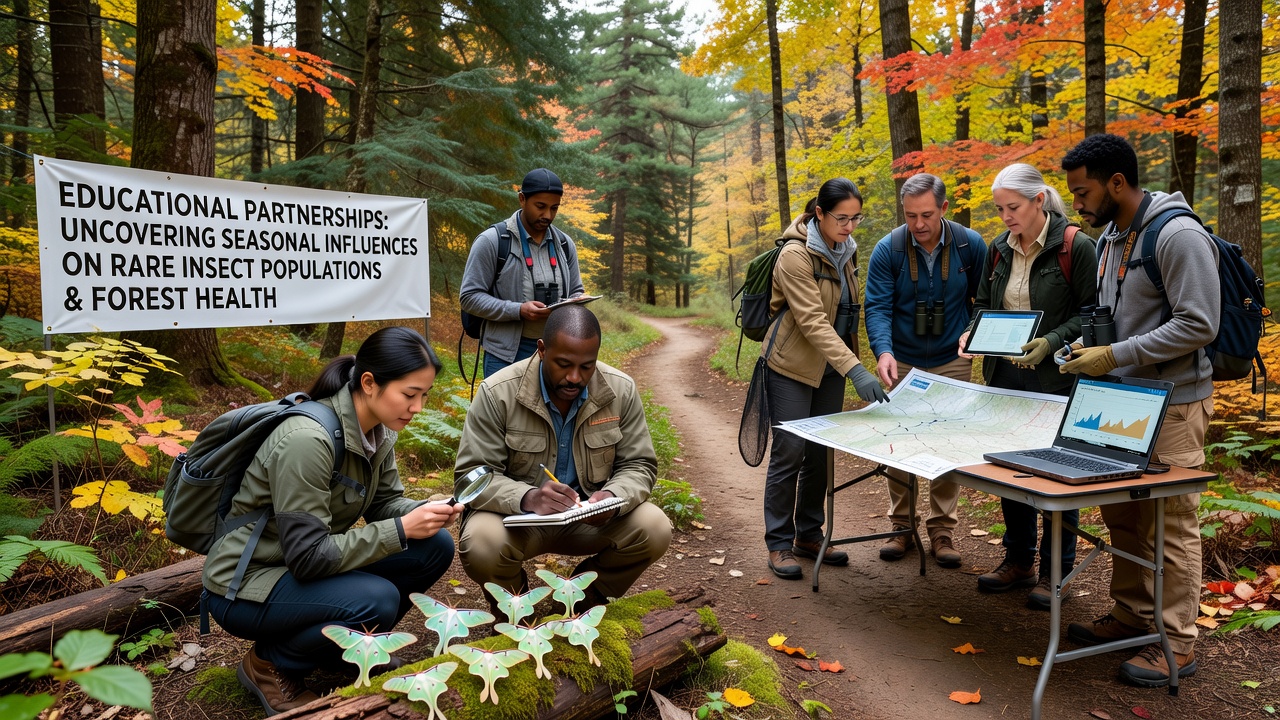
Local districts in North America and Europe initiated these programs after government agencies highlighted gaps in long-term insect monitoring, so schools supplied volunteers who received training in standardized sampling techniques. Students set up traps and conducted visual counts during weekly visits, then uploaded findings to shared databases maintained by the partnering universities. This approach generated datasets covering both spring emergence peaks and autumn declines, revealing that some rare species complete their life cycles within narrow temperature windows tied directly to forest floor conditions.
Equipment included light traps, pitfall containers, and handheld sensors for recording humidity and leaf litter depth. Classes rotated responsibilities so each group handled different zones, reducing bias while increasing coverage across slopes and valleys. Data validation occurred through cross-checks with professional crews, ensuring student-collected numbers matched established benchmarks before inclusion in final analyses.
Seasonal Patterns in Insect Populations and Linked Forest Metrics
Observations compiled through 2026 show that rare insect groups, including certain tiger moths and ground beetles, reach highest densities in early summer when canopy cover provides stable shade and food sources remain abundant. As autumn arrives, counts fall sharply because cooling air and increased leaf drop change the microclimate near the ground, drying out habitats that larvae require. Forest health indicators tracked alongside these counts, such as nutrient cycling rates and understory plant diversity, shift in tandem, with slower decomposition noted when insect activity decreases.
One study coordinated through a Canadian university partnership documented a 35 percent reduction in target beetle numbers between August and October across monitored plots, while soil nitrogen measurements declined by 12 percent over the same interval according to Natural Resources Canada forestry reports. Parallel work in Australian woodlands recorded similar timing for moth species, linking the changes to rainfall patterns that affect both insect breeding and leaf nutrient retention. These coordinated findings suggest seasonal insect fluctuations serve as reliable proxies for wider ecosystem responses rather than isolated events.
Expanding Geographic Reach and Refining Analysis Techniques
Programs expanded in 2025 to include sites in the United Kingdom and parts of Scandinavia after initial successes demonstrated reliable data quality from student teams. New locations added sensors focused on light penetration and root zone moisture, variables that influence both insect survival and overall forest resilience. Analysts apply statistical models to separate seasonal effects from longer-term trends, using software that flags anomalies for further field checks.
Training materials developed by the lead universities emphasize safety protocols and ethical handling of specimens, while digital platforms allow real-time comparison of results across continents. Participants note that repeated exposure to the same plots builds familiarity with local species behavior, improving identification accuracy over successive seasons. The resulting archives now span four full annual cycles, providing enough depth for preliminary trend identification without requiring decades of prior records.
Conclusion
Continued collaboration between educational institutions and research organizations supplies ongoing records that clarify connections between seasonal timing, rare insect dynamics, and measurable forest health parameters. October 2026 data reinforced earlier patterns while adding resolution to regional variations driven by local climate and soil types. These efforts demonstrate how distributed monitoring networks can fill knowledge gaps efficiently when standardized methods and shared databases support consistent collection across multiple sites.