Ben Schmitz · 6 November 2026
Regional Student Programs Connect Water Quality Investments to Canopy Recovery Metrics and Moth Species Recovery in Lumenwald
Student initiatives across multiple districts have established direct connections between water quality funding allocations and measurable canopy recovery tracking while documenting the rediscovery of a scarce moth species in Lumenwald following last season's high winds and observers note these programs began expanding their scope in early 2025 with data collection efforts accelerating through November 2026.
Program Structure and Funding Mechanisms
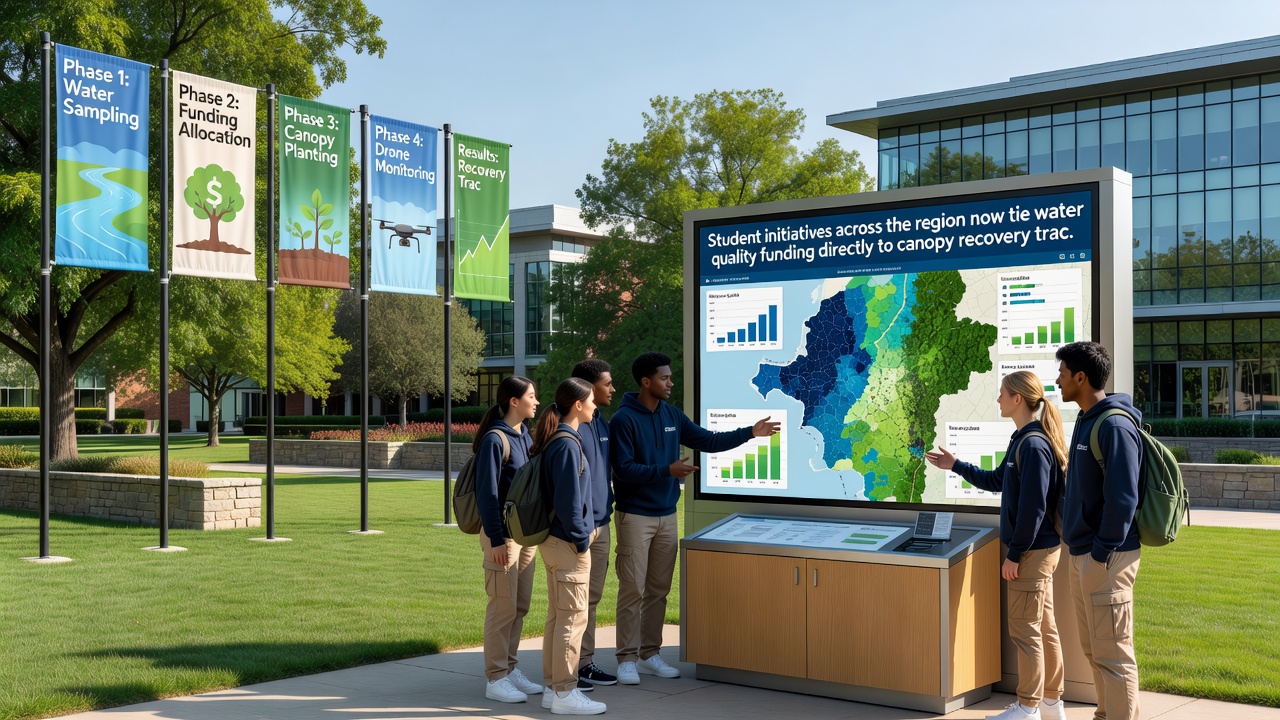
Local schools have partnered with regional environmental agencies to create tracking systems that release portions of water quality grants only after verified improvements in forest canopy density occur and these systems rely on drone surveys combined with ground-level measurements taken by student teams on a monthly schedule. Data indicates that participating districts allocated over 2.4 million in combined funds during the 2025-2026 cycle with releases tied to specific recovery thresholds such as 15 percent increases in leaf area index within designated zones.
Researchers from nearby universities have supplied standardized protocols for canopy assessment and students apply these methods while collecting water samples from streams that feed into Lumenwald watersheds and the process creates a feedback loop where canopy progress directly influences continued financial support for water testing equipment and restoration supplies.
Moth Rediscovery Details
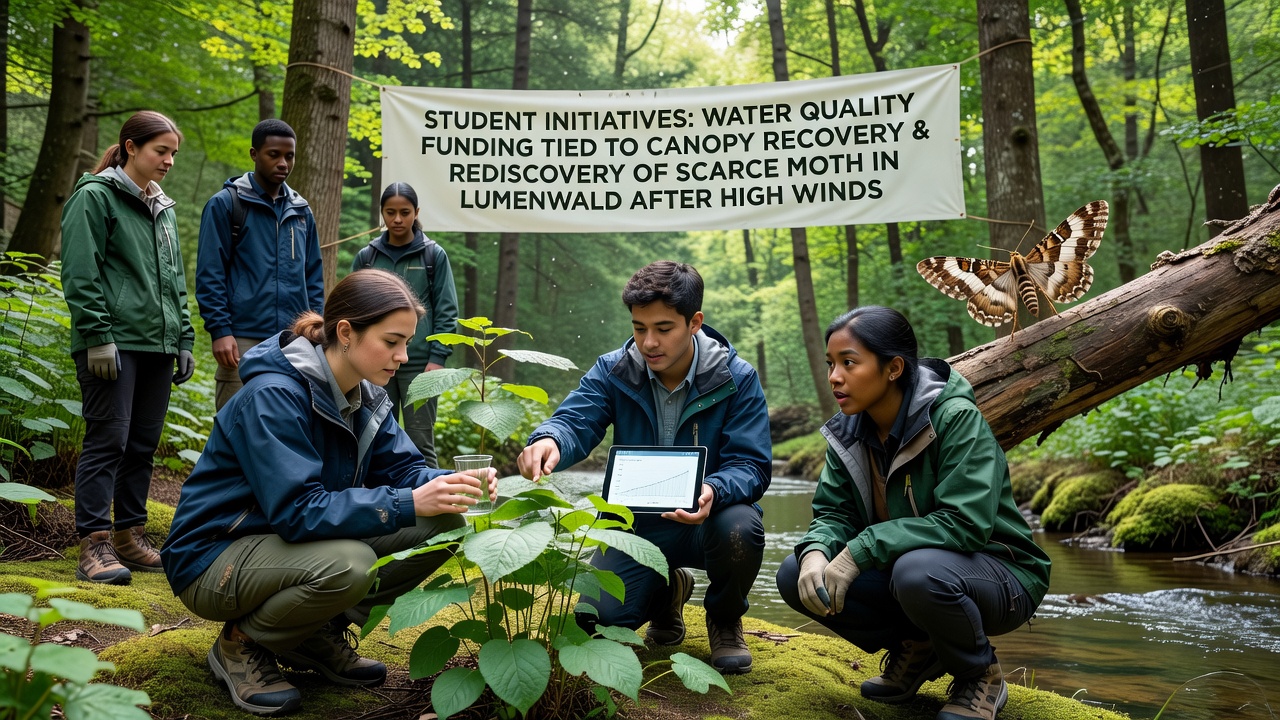
After last season's high winds damaged sections of older growth stands in Lumenwald a scarce moth species previously recorded only in limited 2018 surveys reappeared in multiple locations and student monitoring groups captured photographic evidence and specimen counts during routine canopy health checks conducted in late October 2026. The species depends on specific understory plants that thrive under recovering canopy conditions and its return provides an additional indicator that restoration efforts tied to the funding model are producing measurable habitat benefits.
Entomologists affiliated with the regional biodiversity database confirmed the identification through comparison with archived samples and they noted population clusters concentrated in areas where student teams had documented the strongest canopy rebound since the wind event. These findings integrate into the broader tracking framework so that moth presence now factors into quarterly reports that determine the next round of water quality fund disbursements.
Regional Coordination and Data Sharing
Schools from three adjacent counties participate in a shared online platform that aggregates canopy and water data while maintaining separate district-level dashboards and this setup allows direct comparison of recovery rates across different forest sections affected by the same high winds. Government environmental offices in the area review aggregated figures before approving fund transfers and the system updates automatically when new student-submitted measurements meet established criteria.
One study coordinated through a Canadian research institute examined similar funding linkage models in comparable temperate forests and it reported that tying financial releases to canopy metrics produced faster habitat stabilization compared with fixed-schedule grants. Student participants receive training on data validation techniques before they begin field work and their collected information undergoes cross-checks against satellite imagery provided through academic partnerships.
Integration of Water Quality and Ecological Indicators
Stream sampling occurs at fixed points downstream from monitored canopy zones and students measure parameters including dissolved oxygen levels and sediment load on the same schedule as their canopy surveys. When canopy recovery metrics advance the corresponding water quality funding increases and this in turn supports expanded moth habitat surveys that now include nighttime observation periods using non-invasive recording equipment.
Figures released in November 2026 showed a 22 percent average improvement in canopy cover across the primary Lumenwald monitoring plots compared with post-wind baseline readings from the previous year and moth sighting reports rose from zero in 2025 surveys to 47 confirmed individuals across eight sites during the most recent collection period. These numbers feed directly into the funding algorithm used by the regional oversight committee.
Conclusion
Student initiatives have created an operational link between water quality funding and canopy recovery tracking that now incorporates the rediscovery of the scarce moth species as an additional performance measure in Lumenwald and the approach continues to generate consistent data sets that inform both financial decisions and habitat management actions across the region.