Ben Schmitz · 11 September 2026
Lumenwald Forest Canopy Shadows Influence Soil Nutrient Distribution Patterns
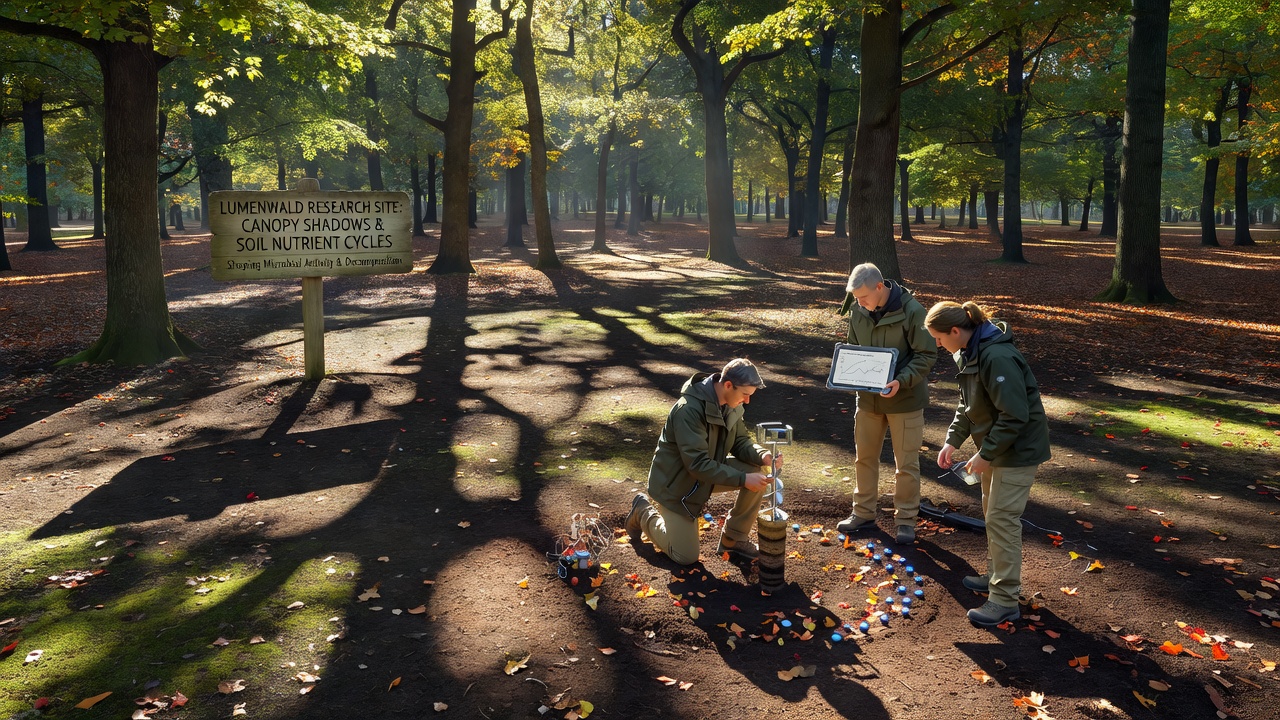
Canopy shadows in Lumenwald extend across the forest floor in shifting patterns that alter light availability and influence how nutrients move through soil layers. Researchers tracking these dynamics have documented consistent correlations between shadow duration and the accumulation of nitrogen, phosphorus, and potassium compounds in surface soils.
Shadow Formation and Light Interception
Tall tree crowns in Lumenwald intercept direct sunlight for several hours each day, and the resulting patches of shade cool surface temperatures by several degrees while slowing evaporation rates. Observers note that these cooler zones maintain higher moisture content, which supports microbial communities responsible for breaking down leaf litter and converting organic material into plant-available forms.
Data collected during September 2026 indicated that areas under prolonged shadow coverage retained up to twenty percent more moisture than sunlit patches, leading to measurable differences in decomposition speed across adjacent soil samples. Scientists from multiple monitoring stations recorded these patterns using time-lapse sensors placed at regular intervals throughout the core forest zone.
Microbial Responses to Variable Light
Soil bacteria and fungi respond to reduced light by adjusting metabolic rates, and studies show that certain nitrogen-fixing species increase activity beneath dense canopy sections. This adjustment contributes to localized spikes in ammonium concentrations that later convert to nitrate through nitrification processes. Those who've examined core samples from shaded transects report elevated enzyme levels linked to phosphorus solubilization, particularly where leaf litter accumulates in thicker layers.
Yet light gaps created by fallen branches or seasonal leaf drop allow brief bursts of photosynthesis in understory plants, which then draw nutrients from deeper soil horizons and return them to the surface through root turnover. The interplay between these shaded and exposed zones creates a mosaic of nutrient availability rather than uniform distribution.
Seasonal Shifts and Nutrient Retention
Autumn months bring longer shadow periods as solar angles decrease, and this extended coverage coincides with peak leaf fall. Organic matter deposited during these weeks decomposes more slowly under cooler, shaded conditions, which preserves carbon compounds while gradually releasing mineral nutrients. Figures from long-term plots reveal that phosphorus levels stabilize in shaded soils until spring warming accelerates microbial turnover.
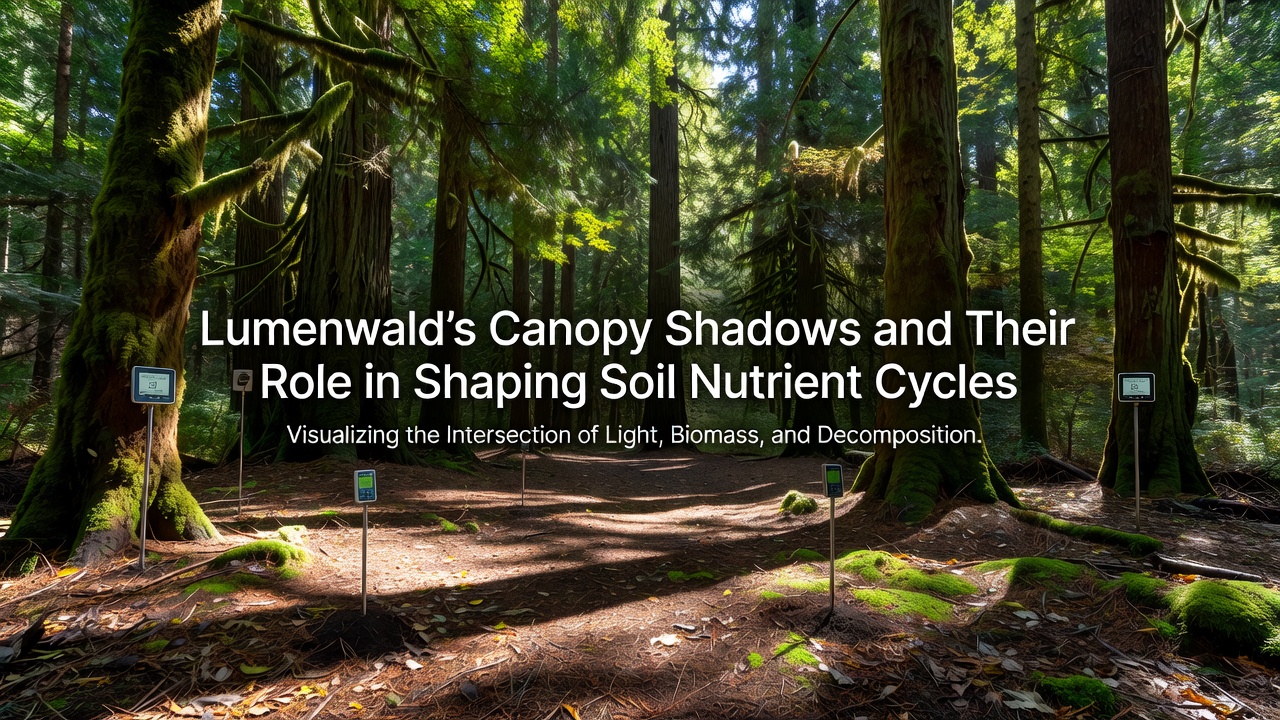
Canadian forest researchers at Natural Resources Canada have published comparable findings on light-mediated nutrient cycling in boreal stands, and their models suggest similar mechanisms operate across temperate systems. One analysis of soil cores from multiple Lumenwald sites demonstrated that shadow-driven moisture retention reduced nutrient leaching during heavy rainfall events.
Management Observations and Monitoring
Forest managers tracking Lumenwald conditions have installed additional sensor arrays to capture finer-scale variations in shadow movement and soil chemistry. These instruments record hourly changes in light intensity alongside nitrate and ammonium concentrations, providing datasets that link canopy structure directly to nutrient flux rates. Data from the 2026 growing season showed that stands with higher crown density maintained steadier nutrient profiles through summer drought periods.
European Environment Agency reports on woodland soil health emphasize the importance of canopy continuity for maintaining microbial diversity, and observers note parallels with patterns documented in Lumenwald. Such continuity supports consistent decomposition cycles while preventing rapid nutrient loss through runoff.
Conclusion
Canopy shadows in Lumenwald function as dynamic regulators of soil nutrient cycles by modulating temperature, moisture, and microbial activity across the forest floor. Continued monitoring through expanded sensor networks will refine understanding of how these light patterns respond to changing climate conditions and stand development. The connections between shadow duration and nutrient retention provide measurable indicators for assessing long-term soil stability in this ecosystem.